LORE

Welcome to the Lore Archıve—where myth meets memory, and the veıl between fact and fıctıon begıns to blur.


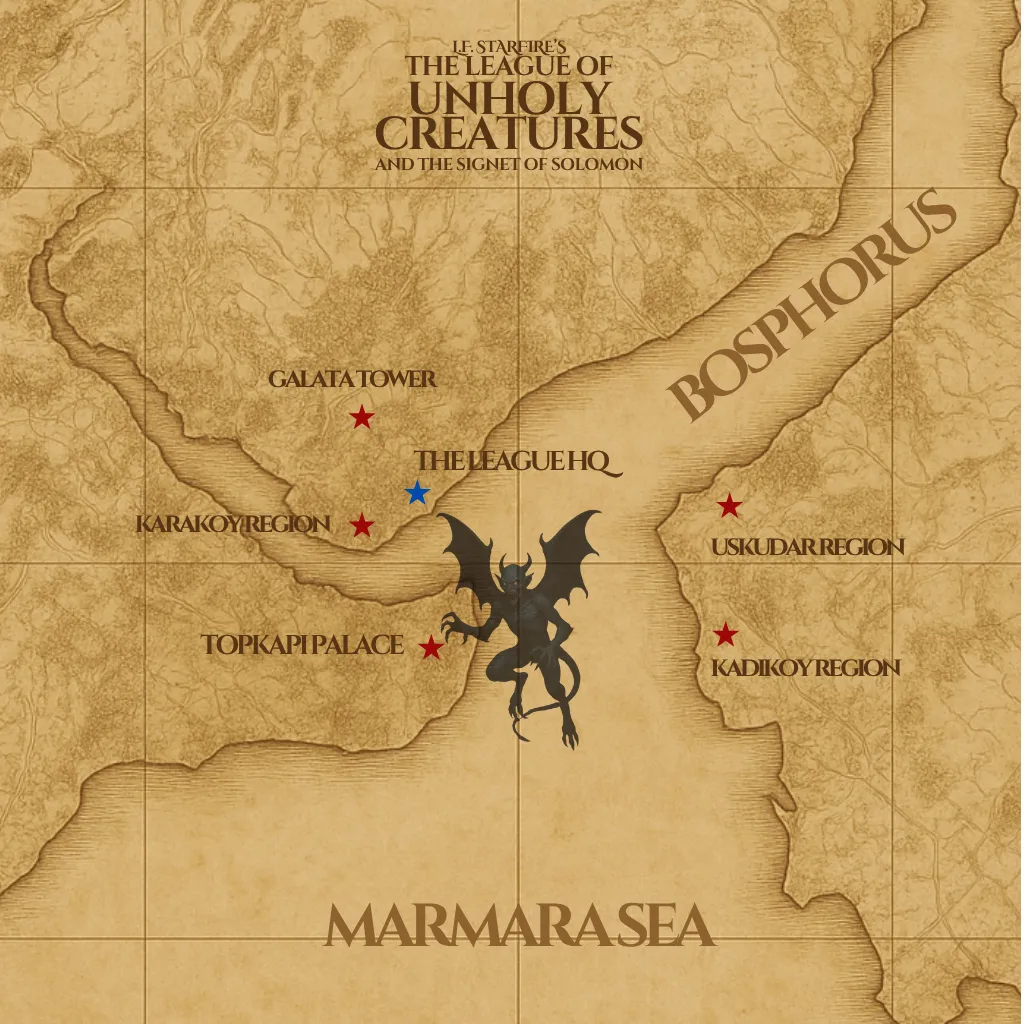
The League of Unholy Creatures was formally established in 1843 by direct order of the Sultan, following the harrowing sighting of jinn within the palace walls—a manifestation that shook the very foundations of the imperial court. Archival evidence suggests that the League functioned as a covert task force, integrating traditional knowledge of folklore with the emerging scientific curiosity of the 19th century. Its membership was carefully curated from across the globe, bringing together not only state-appointed witch-hunters and exorcists, but also scholars versed in esoteric practices and natural philosophy. The League’s historical significance lies in its unique position at the intersection of religious authority, scientific inquiry, and the empire’s efforts to maintain social stability in the face of the unknown.


Prophet Solomon and His Dominion Over the Jinn

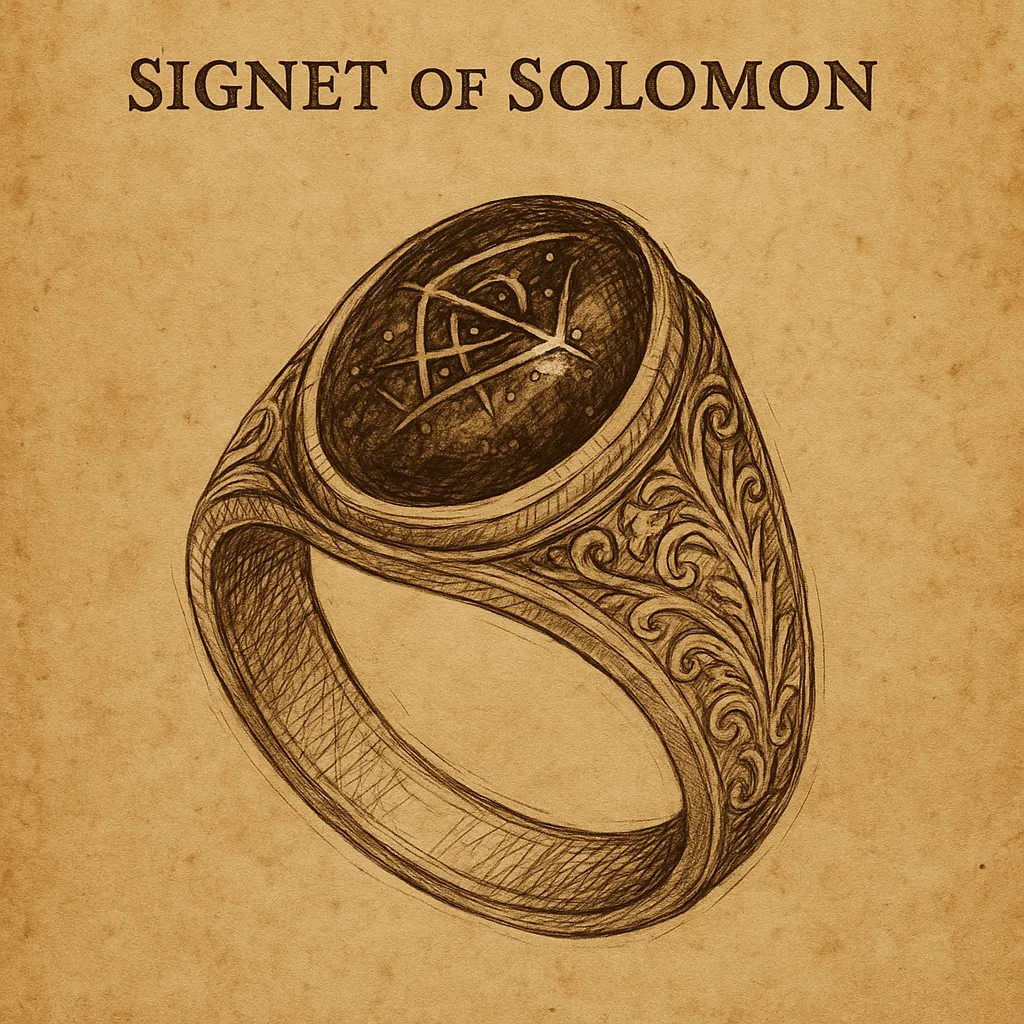
King Solomon was granted the unique ability to command jinn and spirits through a special ring bestowed upon him by God. This ring allowed him to bend these supernatural beings to his will, assigning them tasks such as building great structures, diving in the depths of the sea, and retrieving hidden treasures. The Quran recounts how Solomon’s mastery over the jinn was part of his divine wisdom and authority.


The Secret of the Signet of Solomon

Known as the Signet of Solomon, this legendary ring is depicted as an ancient seal, often symbolized by a six-pointed star. In Talmudic tradition, it is said that the ring bore the sacred name of God (YHVH), endowing Solomon with the power to subdue both jinn and spirits.


Long before the shadow of a djinn or beast crept between the stones in search of prey, the world belonged to magic. It was an age when humans lived side by side with other intelligent races—those we now call the fae: elves, dwarves, nulfs, gnomes, and many more.
Though magic had not yet been granted to humans, they built grand and beautiful cities with the help of the other races.

Then one day, a cursed enchantment descended upon the world.
This spell, worming its way into human minds, twisted their thoughts.
Lacking magical power, they began blaming the fae for everything—believing they had stolen the world’s riches.
As the enchantment deepened, accusations turned to anger, anger to hatred.

It wasn’t long before the first blood was spilled.
Humans, now seeing themselves above the other races, began to persecute and kill the fae across every corner of the land.
They were numerous—even without magic, their sheer numbers overwhelmed.
The violence spread like fire, and the slaughter of the fae quickened.

At first, some humans tried to stand by the fae. But as the enchantment grew, they too either perished… or became killers.

Kingdoms fell into human hands, one by one.
The fae—those few whose hearts still bore the light of Io—tried desperately to resist and stop the madness.
But war and massacre swallowed the world.

Amid this chaos, a young elf prince named Enuthea—raised among humans, unaware of his own past—gathered the remaining fae and led them to a great cavern deep beneath the earth.
With the blessing of the gods and the might of ancient spells, they shaped a sanctuary far from human cruelty.
There, they built a new realm, safe and hidden from the world above.
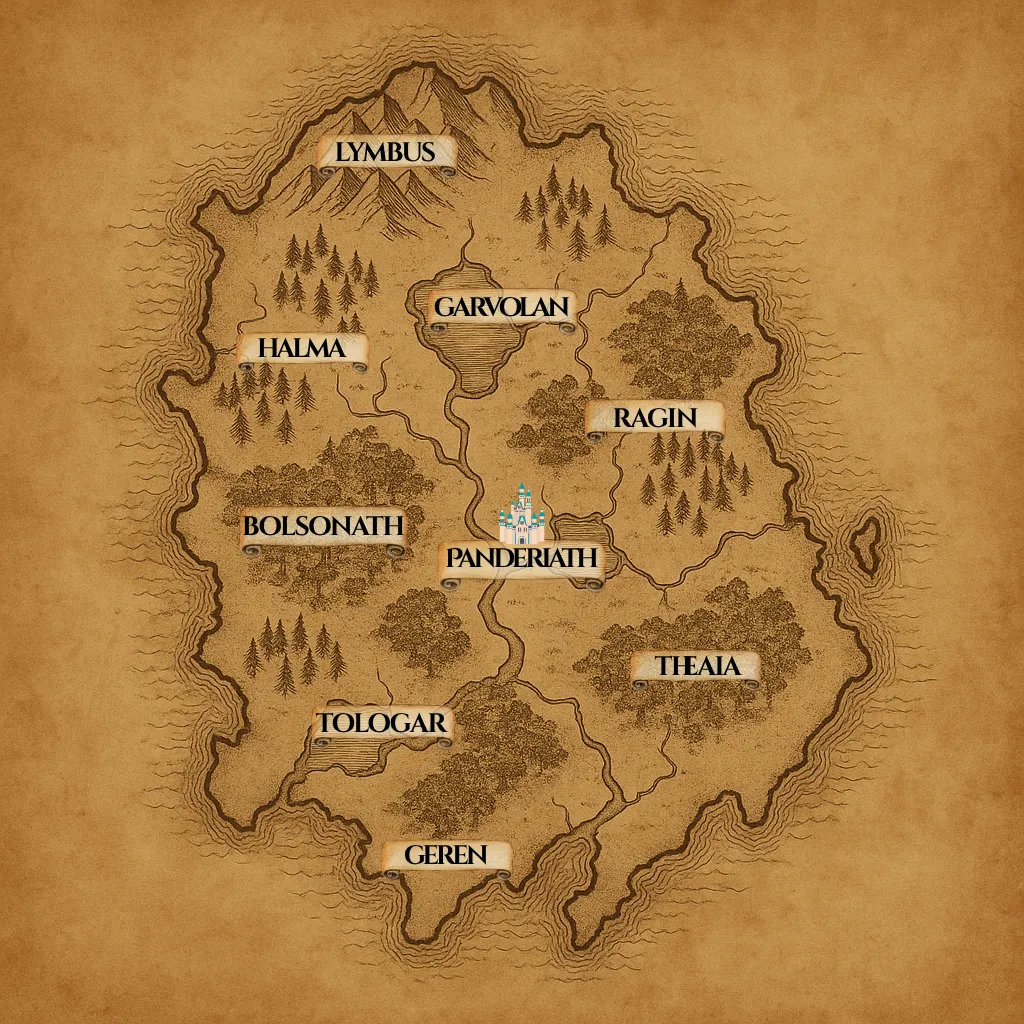
They named it Panderia.
And they never returned to the surface again.

Yet their memory remained in fragments, scattered across the minds of men.
Over time, history faded into myth… and myth into bedtime stories.

As Panderia lived on in secret, humanity continued its endless dance with greed, rage, and hunger.

Witch-Hunters and Exorcists in the Ottoman Empire

While the Ottoman Empire did not experience systematic witch hunts like those in Europe, there were indeed popular beliefs about witches and those known as “cadici” or “caducu”—specialists who claimed to detect and banish supernatural beings. These individuals were believed to protect the community by identifying and eliminating harmful spirits or witches. This practice was particularly noted in the Balkan regions of the empire.


The Tırnova Incident and Witch-Hunter Nikola

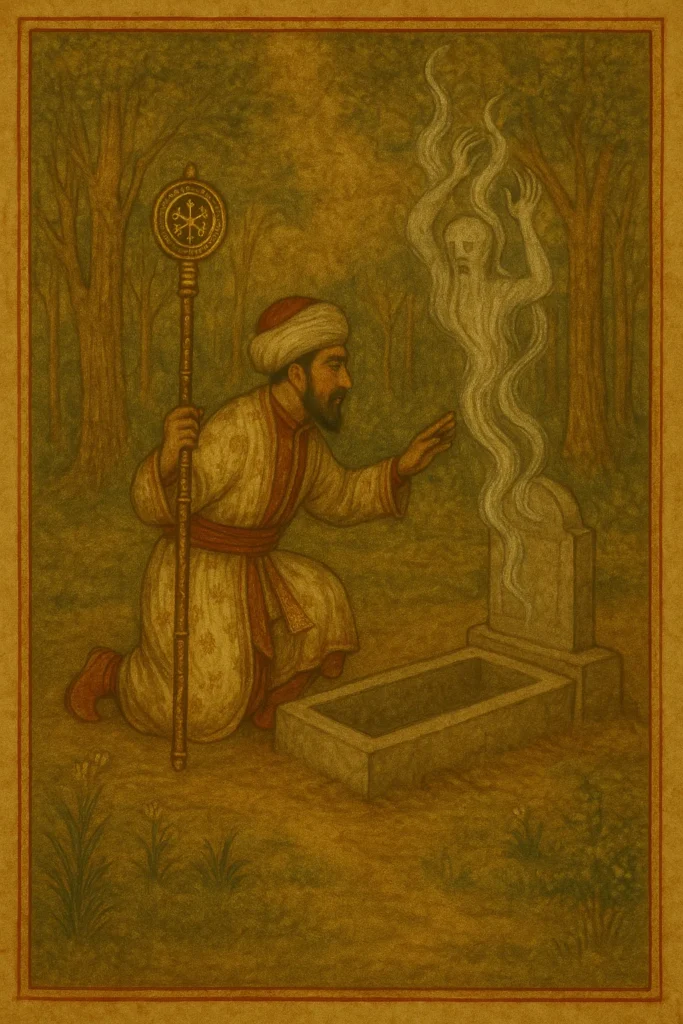
One of the most well-documented cases involving a witch-hunter occurred in Tırnova (present-day Bulgaria) in 1833. Local rumors spread about “witches” that were causing disturbances in homes, moving objects, and harming residents. In response, a man known as Nikola, reputed to be a witch-hunter, was summoned. His investigation led him to a cemetery, where he claimed that the graves of two former Janissaries harbored restless spirits. When the graves were opened, the bodies were found to be uncorrupted, with hair and nails still growing—an ominous sign of witchcraft. The bodies were burned to put an end to the disturbances.


Institutional Witch-Hunting

Ottoman records also mention “cadici” or “witch masters” who were occasionally employed by local authorities. These individuals received payment for their services, which included traveling to various regions to investigate and eliminate supposed witch-related disturbances. For instance, expense registers from 1836–1839 detail payments made to witch-hunters tasked with driving away evil spirits.